













Repair guide
Lay Waterproof Vinyl Plank Now: The Shoulder-Season Floor Refresh That Gets Your Rental Booking-Ready for Snowbird Season
Got it — we will get back to you.

Your rental’s living room floor shows up in every single guest photo — the listing hero shot, the review pics, the “here’s where we stayed” texts your guests send home. If that floor is scuffed carpet or curling laminate, it’s quietly working against your bookings. Shoulder season is the window to fix it: the tropics are quiet, it’s too hot to do much outside anyway, and snowbird bookings for October through December are firming up right now. Lay a new floor this week and the unit photographs clean with weeks to spare.
Here’s how a one-visit waterproof luxury vinyl plank (LVP) refresh works.
Why rigid-core vinyl plank suits Florida rentals
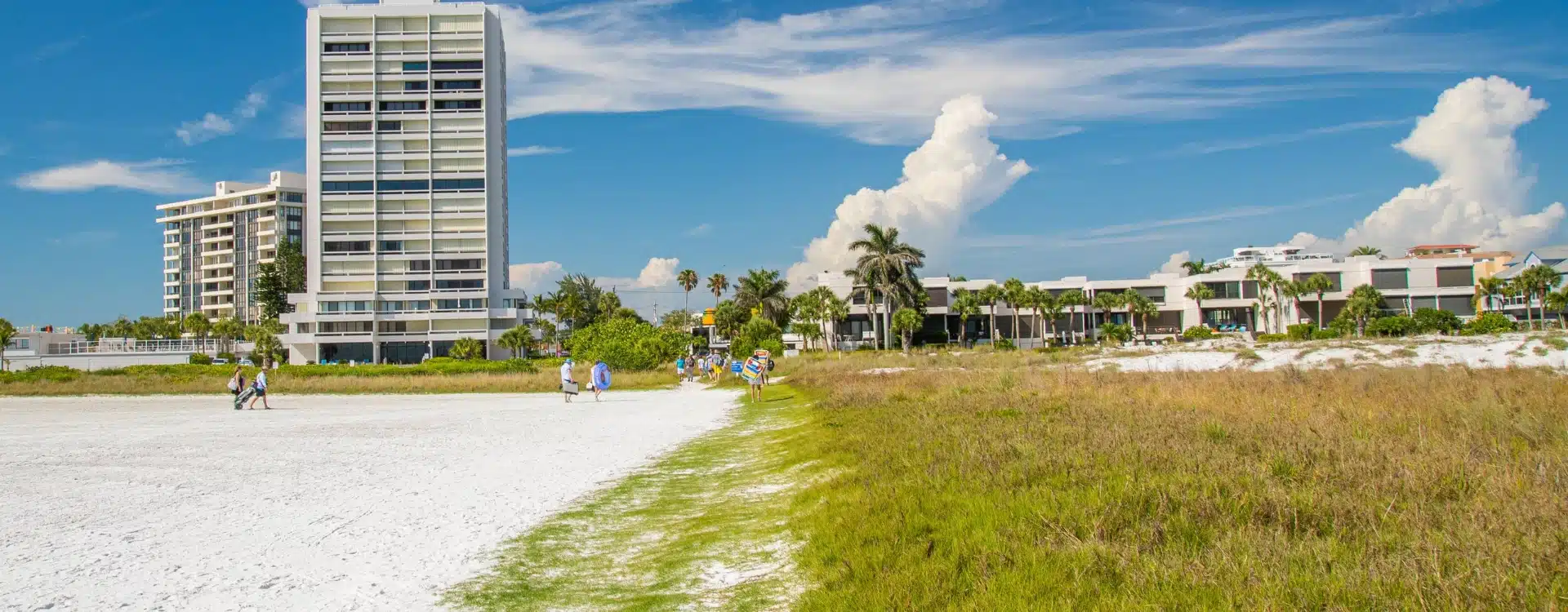
Rigid-core LVP — sometimes called SPC, for its stone-plastic composite core — is built for exactly the abuse a rental takes. The top layer is 100% waterproof, so spilled wine, wet swimsuits, and mopping between guests don’t faze it. A thick wear layer shrugs off luggage wheels, tracked-in Siesta Key sand, and pet claws. And because the core is stone-based, the plank stays dimensionally stable through Florida’s heat and humidity swings — it doesn’t cup or gap the way laminate can when a unit sits closed up and warm between stays.
Compared to carpet, it wipes clean in seconds and never traps odors. Compared to laminate, it takes water without swelling. For turnover-heavy units, that’s the whole ballgame.
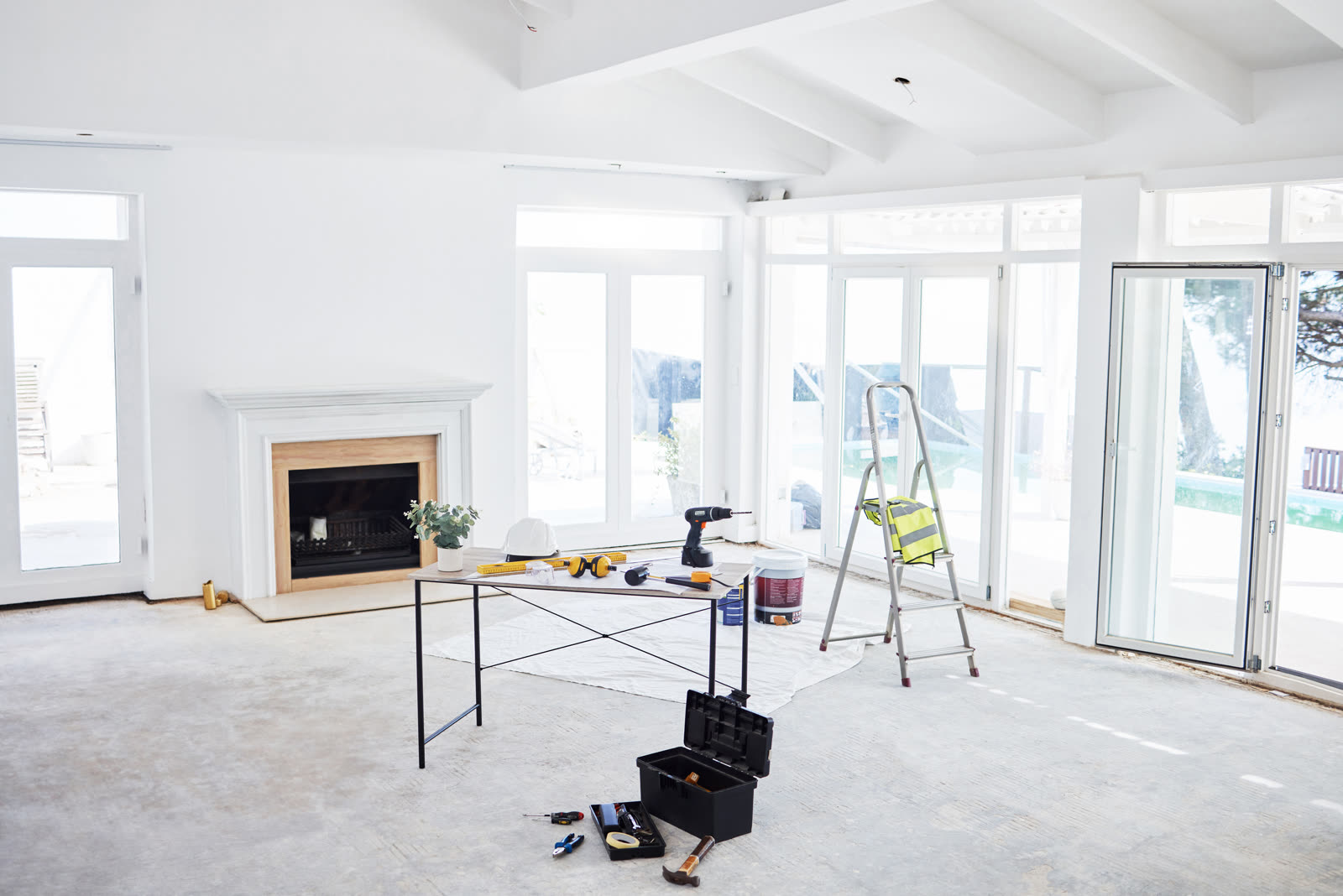
No demo, floated over your existing subfloor
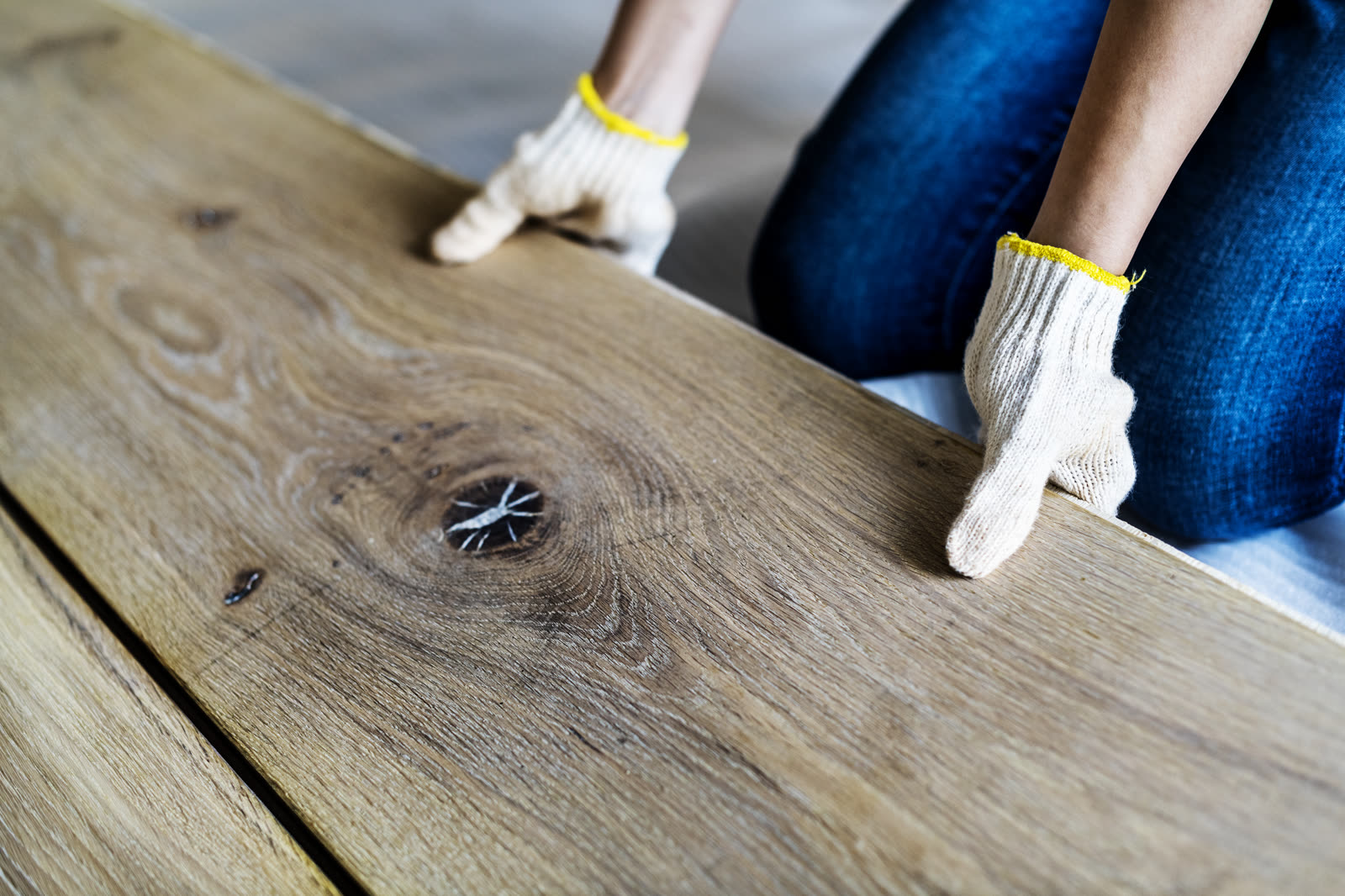
The install most rentals need is a floating floor. The rigid-core planks click-lock together into one connected surface that sits on top of your existing subfloor — no glue, no nails, no tearing out what’s already down. Many rigid-core products come with a pad already attached to the back, so there’s no separate underlayment step. That’s less mess, less dust, and a floated install that’s typically a half to full day — you’re walking on it as soon as local pros are done.

The floor “floats,” meaning it expands and contracts as one piece with the room’s temperature. Local pros leave the right expansion gap at the walls and cover it with quarter-round or transition strips at doorways.
What the materials are
Mid-grade rigid-core waterproof LVP is stocked at the big-box stores. Two examples: LifeProof rigid-core (22 mil wear layer) at Home Depot, and NuCore with an attached cork pad at Floor & Decor. Budget SPC lines are the lower-cost option across several units.
For a typical 200 to 300 square foot living area, order about 10% extra plank for cutting waste, plus transitions and quarter-round to finish the edges clean.
Because rigid-core with an attached pad needs no separate underlayment, that’s usually the whole materials list.
What local pros handle
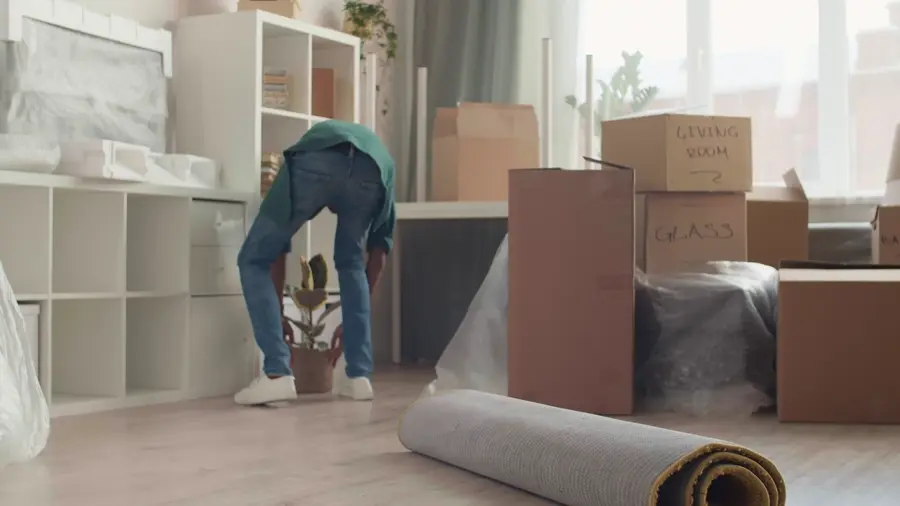
A no-demo floated install this size is typically a half to full day for one installer. Time depends on the room’s shape, how many doorways and transitions it has, and whether furniture needs moving.
You can buy the plank yourself and have the pro install, or we can pick it up on the way. Either works.
Why do it now
Early-week weather is hot and mostly dry — ideal for indoor work — and the tropics are quiet with nothing imminent near the Gulf. That combination doesn’t last. More to the point, October-through-December snowbird bookings are landing now, and a fresh floor is the kind of upgrade that lifts a listing’s photos and holds up through a busy season without a single mid-season repair call. Lay it in the quiet weeks and it’s earning for you by the time the season starts.
This works the same for long-term landlords, by the way: a turnover between tenants is the natural moment to drop in a floor that’ll take a decade of wear without looking tired.
One unit or a whole portfolio
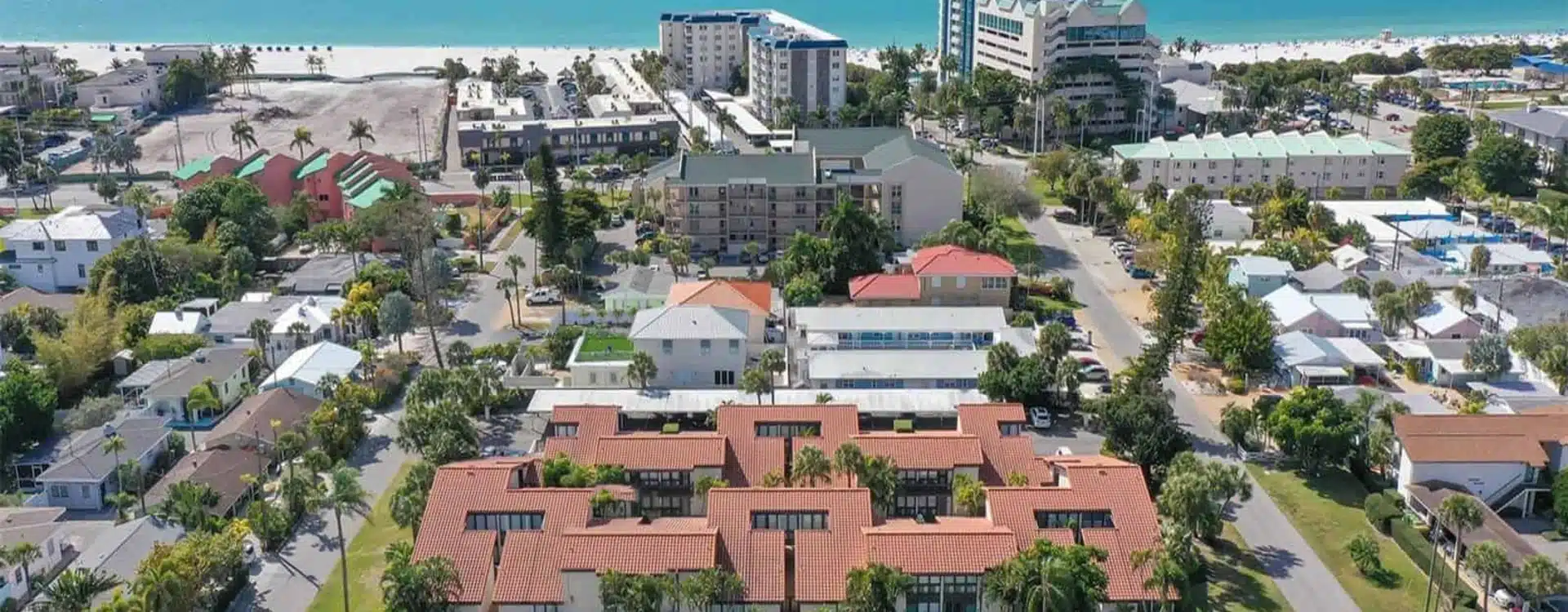
If you run several units around Sarasota, Bradenton, Lakewood Ranch, Venice, or out on the keys, we can sequence the work unit by unit so you’re never dark on more than one at a time. Property managers juggling a mix of long-term and short-term doors — one call covers the batch.
Call or text 941-207-6969 and send photos for a quote, or start online at handys.now. Tell us the square footage and local pros will get you a real number this week.
What sets the price
Contractors set their own prices, and prices vary. The size of the job, the materials you pick, access, the condition of what is there now, and any HOA or permit needs set the scope and the price. The pro quotes after seeing photos or the job.
A vetted local pro looks at the job and quotes before work starts.